

Facts About Burundi Africa – Interesting & Fun Facts on Burundi
Embarking on a Burundi safari tour of a lifetime, delve into the facts about Burundi! Over the years there have been a series of rumored facts about Burundi the Democratic Republic ranging from geographical, historical, cultural, economic, and tourism facts.
Burundi, one of Africa’s smallest countries with a total land area of around 16-18 provinces and approximately 28,000 square kilometers, roughly the size of Maryland is a small, landlocked country with a rich history, diverse culture, and breathtaking natural beauty.
Some of the interesting & fun facts on Burundi Democratic Republic which make Burundi the ultimate travel destination for thrill-seekers on an Africa safari tour include:
Political Facts About Burundi
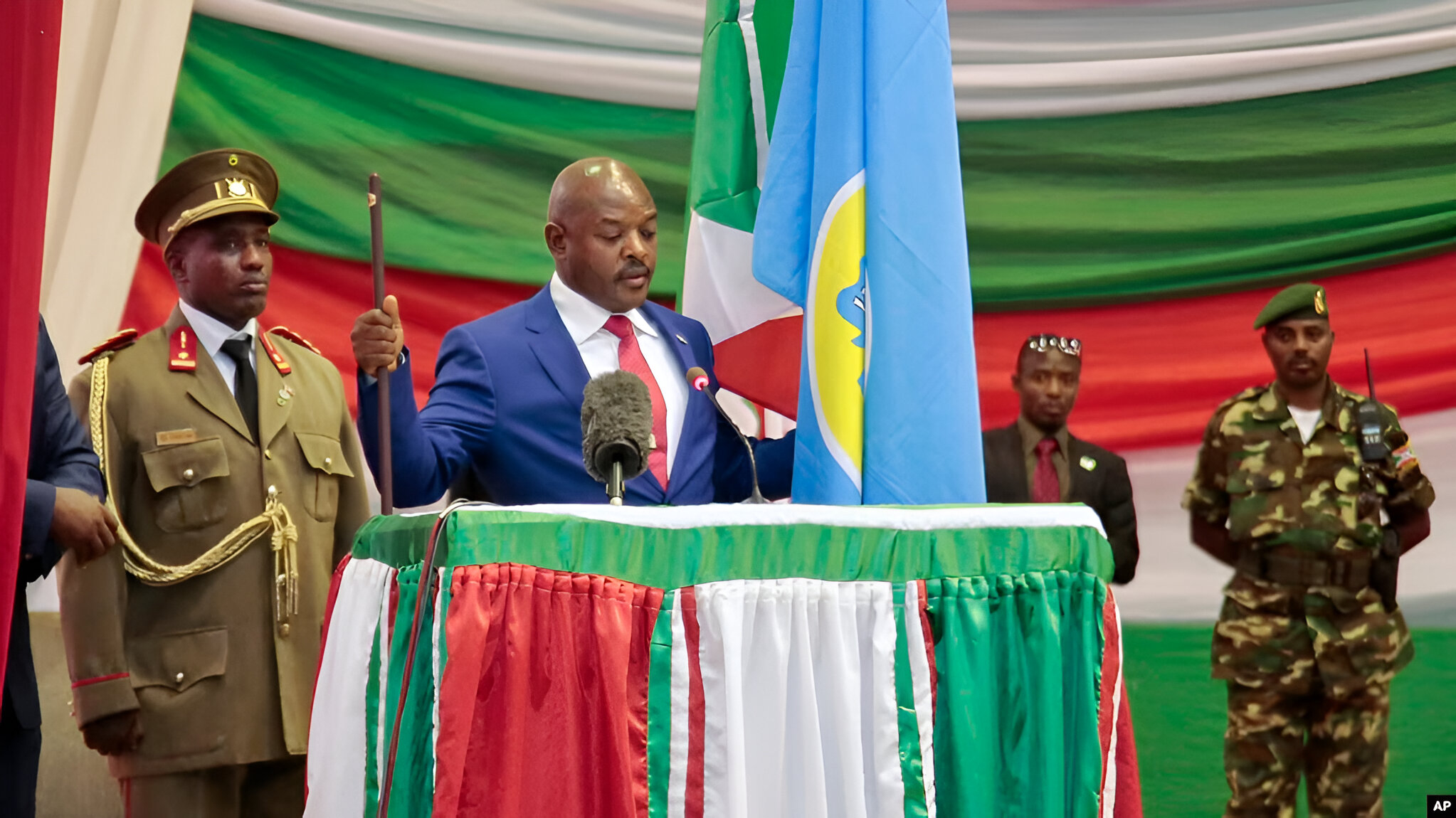
One of the most notable facts about Burundi are the political facts. These are those related to the political situation and decorum in Burundi, internally and externally as enlisted below.
Country Name: The name was derived from the pre-colonial Kingdom of Burundi (17th-19th century) with the now conventional long form being ‘Republic of Burundi’ and conventional short form ‘Burundi’ while some people call it ‘Republique du Burundi (French)/ Republika y’u Burundi (Kirundi)’. It was also formerly called ‘Urundi, German East Africa, Ruanda-Urundi, Kingdom of Burundi’
Government: Burundi is a presidential republic with a democratically elected president as head of state and government. which means that the President serves as both the head of state and the head of government. The President is responsible for appointing the Cabinet, negotiating treaties, and serving as the commander-in-chief of the armed forces.
Capital City: The capital city of Burundi is currently known as Gitega (political capital) which was officially moved from Bujumbura (commercial / economic capital) in 2018/2019. The origin of the names Gitega and Bujumbura are unknown but prior to independence in 1962 was Bujumbura was called Usumbura.
Administrative Divisions: Burundi has around 16-18 provinces which include Bubanza, Bujumbura Mairie, Bujumbura Rural, Bururi, Cankuzo, Cibitoke, Gitega, Karuzi, Kayanza, Kirundo, Makamba, Muramvya, Muyinga, Mwaro, Ngozi, Rumonge, Rutana, Ruyigi.
It is worth noting that a law was passed in March 2023 reducing the number of provinces to five: Buhumuza, Bujumbura, Burunga, Butanyerera, Gitega, with full implementation by 2025.
Political Parties: Burundi has around eight political parties and the ruling party as of 2024 is the National Council for the Defense of Democracy–Forces for the Defense of Democracy (CNDD-FDD). The others include FRODEBU (Front for Democracy in Burundi), UPRONA (Union for National Progress), CNL (National Freedom Front), MSD (Movement for Solidarity and Democracy), FNL (National Forces of Liberation), Kira Burundi Coalition and Union for Peace and Democracy.
Executive: The current president-elect and chief of state for Burundi is President Évariste Ndayishimiye (since 2020), who belongs to the National Council for the Defense of Democracy – Forces for the Defense of Democracy (CNDD-FDD). He has a cabinet comprising of a council of ministers appointed by him.
Legislature: The Parliament consists of the Senate or Inama Nkenguzamateka and the National Assembly or Inama Nshingamateka with the main responsibilities of these arms being law making, approving the budget, representing the people, exercising parliamentary control over the government. It also has a mixed legal system consisting of Belgian civil law and customary law.
Judiciary: The highest court(s) of Burundi are; the Supreme Court (consists of 9 judges and organized into judicial, administrative, and cassation chambers) and Constitutional court (consists of 7 members).
The Supreme Court judges are nominated by the Judicial Service Commission, a 15-member body of judicial and legal profession officials, appointed by the president and confirmed by the Senate. The Constitutional Court judges appointed by the president and confirmed by the Senate and serve a 6-year nonrenewable term
Other subordinate courts include the Courts of Appeal; County Courts; Courts of Residence; Martial Court; Commercial Court.
Independence: Burundi national liberation from Belgium or UN trusteeship under Belgian administration on July 1, 1962 following a series of events. Burundi’s independence was marked by challenges, especially those that were springing from the ethnic conflicts between Hutu heads and Tutsi populations, and political instability.
Constitution: The current constitution was adopted and ratified by the referendum 28 February 2005 and is the supreme law of the land. It establishes the framework for the transitional government, powers, and rights of citizens with 9 most important aspects catered for.
International Relations: Burundi has maintained several relations ranging from regional, bilateral, economic, relations, that is to say it is a member ACP, AfDB, ATMIS, AU, CEMAC, CEPGL, CICA, COMESA, EAC, FAO, G-77, IBRD, ICAO, ICGLR, ICRM, IDA, IFAD, IFC, IFRCS, ILO, IMF, Interpol, IOC, IOM, IPU, ISO (correspondent), ITU, ITUC (NGOs), MIGA, NAM, OIF, OPCW, UN, UNCTAD, UNESCO, UNHRC, UNIDO, UNISFA, UNMISS, UNWTO, UPU, WCO, WHO, WIPO, WMO, WTO etc.
Human Rights: Burundi has faced criticism for human rights abuses by the human rights watch, particularly since the 2015 political unrest. These have also stemmed from the genocide conflicts, criminalization of homosexuality which Amnesty International calls a violation of Burundi’s obligations under international and regional human rights law, and against the constitution, which guarantees the right to privacy.
Burundi was the first country in the world that officially left the International Criminal Court (ICC) on 27 October 2017. The move came after the UN accused the country of various crimes and human rights violations.
Elections: Burundi uses formal and democratic ways to elect leaders. The president is directly elected by majority popular vote in 2 rounds if needed for a 7-year term (eligible for a second term) with the last election having been held on 20 May 2020 (next to be held in May 2027); vice presidents are nominated by the president, endorsed by Parliament.
The last two democratic elections were held in 2020 and 2015 with Evariste Ndayishimiye elected president in 2020 and president Pierre Nkurunziza reelected president in 2015.
Diplomatic Representation: Burundi is diplomatically represented in several countries where there is a Burundi embassy. For example, in the US, there is a Burundi embassy with the chief of mission Ambassador Jean Bosco Barege located at 2233 Wisconsin Avenue NW, Washington, DC 20007, email address and website: burundiembusadc@gmail.com or burundiembassy-usa.com, telephone: [1] (202) 342-2574, fax: [1] (202) 342-2578 and in Burundi the US embassy being located at B.P. 1720, Avenue Des Etats-Unis, Bujumbura, led by the Chargé d’Affaires Keith Gilges, telephone: [257] 22-207-000, email address and website: BujumburaC@state.gov and mailing address: 2100 Bujumbura Place, Washington DC 20521-2100.
Citizenship: In Burundi citizenship is governed by the Constitution and the Citizenship Act. One may become a citizen of Burundi through birth, right of blood, naturalization, through investment etc.
National Emblems: These are symbols that represent the country and its people. Such as the National Flag (divided by a white diagonal cross on a red background, with a green and white border), the National Coat of Arms (featuring a drum, lion and a crocodile), the National Anthem dubbed “Burundi Bwacu” (Our Burundi), which was adopted in 1962, the National Motto which says “Unité, Travail, Progrès” (Unity, Work, Progress)which promotes national unity , the National Animal being the ‘ lion’ which represents bravery and strength, the National Bird being the Kori bustard (Ardeotis kori), the National Tree being the Eucalyptus tree, and the National Flower being the Gentiana, a type of flowering plant.
It is important to note that these may vary and change according to the reigning political circumstances in the country.
Geographical Facts About Burundi
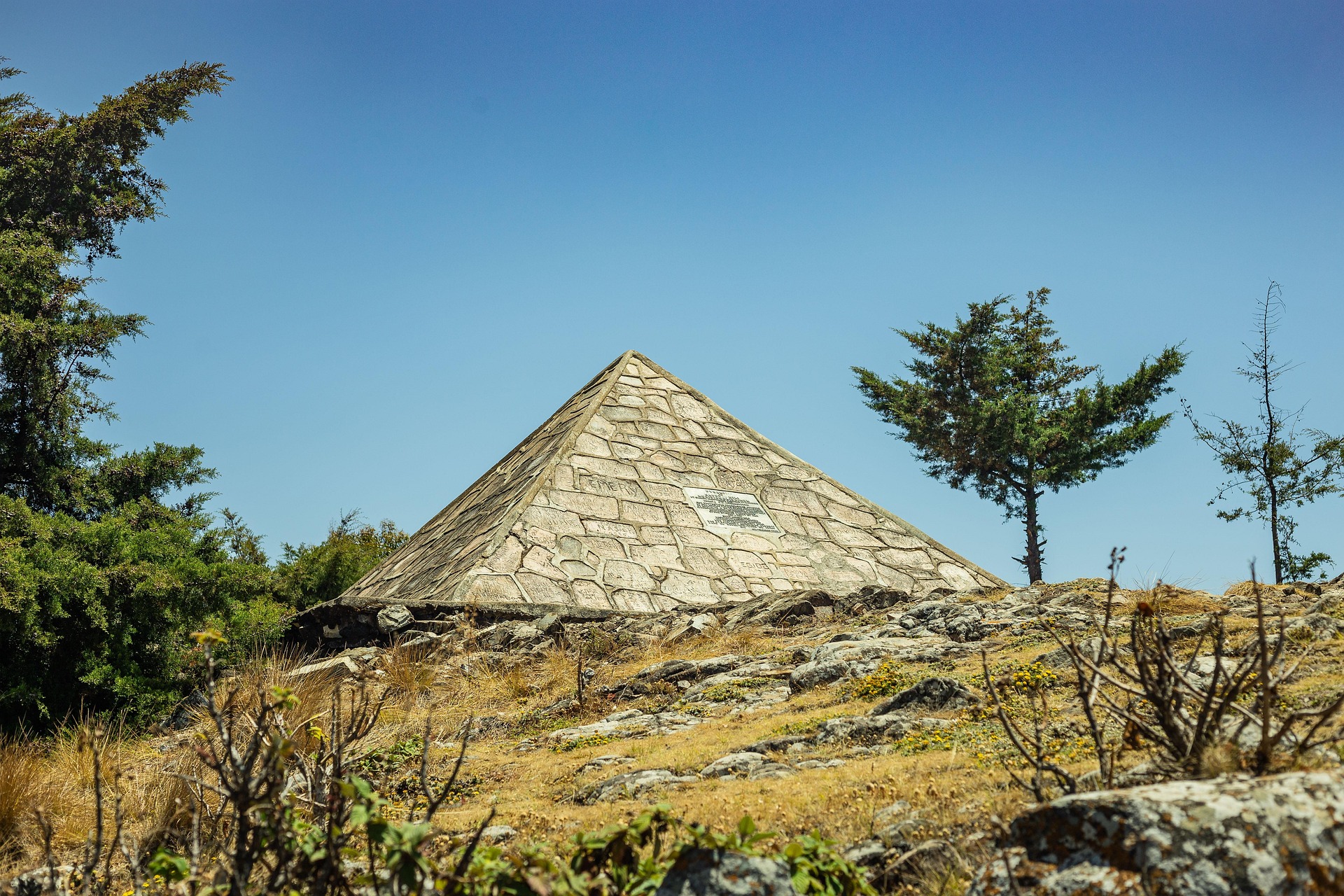
Geographical facts are another of the interesting & fun facts on Burundi. These vary from resources to location to terrain as described below.
Border Countries or Land Boundaries: The Burundi Democratic Republic is a small landlocked country in sub–Saharan Africa, located in the African Great Lakes region of central Africa, with neighboring countries that include Democratic Republic of the Congo (DRC) (approximately 233 km to 236 km to the west), Rwanda (about 290 km to 315km to the north), Tanzania (about 451 km to the east and south), Lake Tanganyika (around 172 km to 589km to the southwest).
Capital City: The capital city of the Burundi is currently known as Gitega (political capital) though formerly it was Bujumbura (economic capital).
Land Area: Burundi one of Africa’s smallest countries has a total land area of around 16-18 provinces and approximately 27,830 square kilometers, roughly the size of Maryland.
Terrain: The terrain in the Burundi is mostly hilly and mountainous, with the Highest point being found at Mount Heha which is approximately (2,684 meters or 8,806 feet), and the Lowest point being found at Lake Tanganyika which is approximately (772 meters or 2,533 feet)
Climate: Burundi is characterized with mostly the Tropical climate, with two wet seasons (February to May and September to November), and two dry seasons (June to August and December to January) with average temperatures of around 20°C (68°F), average annual rainfall is about 150 cm.
Natural Resources: Burundi is blessed to possess a series of natural resources such as minerals which vary from nickel, uranium, rare earth oxides, peat, cobalt, copper, tungsten, platinum and also Agricultural products ranging coffee, tea, cotton, bananas, cassava
Water Resources: The country has several fresh water resources i.e. lakes and rivers such as Lake Tanganyika (second-deepest lake in the world), Kagera River (flows into Lake Victoria), Rusizi River (forms border with DRC), Nile River, Ruvubu River etc.
National Parks and Reserves: Burundi has several beautiful sites especially national parks and reserves such as the Kibira National Park, Rusizi National Park, Vyanda Natural Reserve, Ruvubu national park Bururi natural forest reserve, Kigwena forest reserve among others which are major tourist attractions in Africa.
Geographical Features: Burundi is also well known for having some of the most significant geographical features for example the Great Rift Valley passes through Burundi, the country has numerous rivers, lakes, and waterfalls.
Geographical Time Difference: Burundi is approximately UTC+2 (7 hours ahead of Washington, DC, during Standard Time).
Land Use: As per the 2018 estimates the country’s land is appropriately used as agricultural land (73.3%) arable land (38.9%) with permanent crops taking around 15.6%, permanent pasture being about 18.8%, forests around 6.6% and others around 20.1%. They also carry out some irrigation practices on some lands. Burundi’s land is used mostly for subsistence agriculture and grazing
Natural Hazards: Some of the natural hazards Burundi faces are flooding, landslides, drought which the government has greatly brought under control in recent years.
These geographical facts highlighted above make Burundi a perfect travel destination for those looking for a unique Africa safari tour.
Interesting & Fun Social Facts About Burundi
As we aim to look into the Burundi social facts, it is relevant to note that the country has been blessed with a rich heritage and culture which can only be experienced when visiting Burundi. Some of the fun facts include;
Ethnic Groups: There are around three well known ethnic groups found in Burundi that is the Hutu (85%), Tutsi (14%), Twa (1%).
Languages: In Burundi, it is widely known that there several languages spoken by both the indigenous people and tourists that is Kirundi (official), French (official), Swahili (widely spoken), English (increasingly popular)
Religion: When it comes to religion, sources estimate that their religious factions such as Christianity (60-65%) with Roman Catholics leading, Anglicans and protestants inclusive (15-25%), Islam (estimated 2-5%), Traditional beliefs (5%), Other religions (5%).
Nationality: People living in Burundi are widely dubbed as Burundian(s).
Life Expectancy: When it comes life expectancy, its estimated that Burundians live up to 68.1 years (2024 est.) with males being at 66 years and females 70.3 years.
Literacy Rate: The literacy rate of most Burundians is estimated to be around 68% with citizens of age 15 and over being able to read and write, males taking up to 81.3% and females 68.4% as per 2021 estimates and school life expectancy of 11 years between primary and tertiary school level (2018 est.)
Education: When it comes to education, primary school attendance goes for around 60%, Secondary school attendance around 30%, and University attendance around 5%, therefore it is a literate society. Burundi has one public university, University of Burundi, museums in the two capital cities, such as the Burundi Geological Museum in Bujumbura and the Burundi National Museum and the Gitega national museum. The country spends almost 5% of GDP (2020 est.) on education.
Healthcare: When it comes to the health care system it is known that the Infant mortality rate is approximately 35.7 deaths/1,000 live births (2024 est.), Maternal mortality rate around 494 deaths/100,000 live births (2020 est.), total fertility rate of about 4.9 children born/woman (2024 est.), gross reproduction rate of 2.41 (2024 est.) ,Contraceptive prevalence rate of 28.5% (2016/17), Current health expenditure of around 6.5% of GDP (2020) and the HIV/AIDS prevalence of 1.4% per 2020 estimates. Residents have about 87.4% of health facility access which has helped them fight off infectious diseases such as malaria, typhoid, hepatitis etc.
Culture: Burundi boosts of a rich, local traditional culture characterized by traditional music, dance, and art, famous drumming and drummers found at Gishora drum sanctuary, traditional activities like craft making, warm hospitality of residents, respect for elders with great emphasis on community and family ties plus traditional clothing that is Imvugo for men, and Imbonde for women.
Sports: Burundians socially engage in several sports but mostly football, basketball, storytelling, music and dance sports among other games. One of the notable Burundian footballer is Mohammed Tchité. However, it’s important to note that Burundi’s former president Pierre Nkurunziza banned jogging in March 2014 because he feared that it was being used as “a cover for subversion”.
Holidays: In Burundi several holidays are celebrated for example Christmas for Christians, Independence Day celebrated on 1st July each year, Eid celebrations for Muslims.
Cuisine: Burundi has cuisines that range from Belgian flavors, French cuisines, staple local foods such ugali (cornmeal porridge), cassava, sweet potatoes, among other popular dishes such as Nyama (grilled meat), as well as beverages like tea, coffee, traditional banana beer (Ikigage).
These social facts enlisted above provide deep insights into Burundi’s diverse population, languages, beliefs, education, health, culture, and daily life.
Interesting & Fun Economic Facts About Burundi
When looking at the economic facts of Burundi, it is important to note that Burundi’s economy is a highly agrarian, low-income Sub-Saharan economy primarily based on agriculture, with main crops including coffee, tea, cotton, and bananas. The country is also rich in natural resources with the potential to become a major electricity exporter in the region. These enlisted below are some of the well-known economic facts attached to Burundi.
Gross Domestic Product: Burundi is estimated to have a Real GDP (purchasing power parity) $11.347 billion (2023 est.), Real GDP growth rate 2.7% (2023 est.), Real GDP per capita $900 (2023 est.), Inflation rate (consumer prices)26.94% (2023 est.) annual % change based on consumer prices with GDP – composition, by sector of origin as per 2017 estimate being agriculture 39.5%, industry 16.4%, services 44.2%.
Poverty Rate: The poverty rate in Burundi is quite high and according to World bank report 2020 the poverty headcount ratio in Burundi was 64.9% meaning approximately 65% of the population lives below the international poverty line, which is defined as $1.90 per day.
Inflation Rate: The current inflation rate in the country decreased to 12.10% in April 2024, with the average Inflation Rate being 10.2% per year as compared to the previous years where it was 26.94% in 2023 ,18.80% in 2022, 8.40% in 2021, and 7.32% in 2020.
Unemployment Rate: Burundi is estimated to have an unemployment rate of about 0.93% (2023 est.) with the male taking about 2.2% (2023 est.) and female 1.3% (2023 est.).
Main Industries: The main economic industries or sectors of Burundi are the agriculture sector, mining, manufacturing, energy industries, food processing, consumer goods (sugar, shoes, soap, beer), cement, assembly of imported components etc. with the Industrial production growth rate
with the Industrial production of 2.75% (2023 est.), Labor force of 5.722 million (2023 est.). These have greatly contributed to the economic growth in the country.
Main Exports: Burundi’s main exports are approximately worth $285.105 million (2018 est.) with export major partners being the UAE 32%, Democratic Republic of the Congo 14%, China 5%, Sudan 5%, Germany 4% (2022) exporting commodities like tobacco gold, coffee, tea, rare earth ores,) according to 2022 estimates.
Main Imports: Relatively Burundi imports products worth about $905.294 million (2018 est.) from major Import partners such as China 15%, UAE 14%, Saudi Arabia 13%, Tanzania 12%, India 7% (2022), Importing commodities such as plastic products, cement, refined petroleum, fertilizers, packaged medicine as per 2022 estimates.
Trade Partners: The most influential and notable trade partners for Burundi are UAE, Saudi Arabia, European Union, China, United States and its part of the East African Community.
Currency: The most well used and known currency for Burundi is the Burundian franc (BIF). The Burundi Monetary policy is controlled by the central bank, Bank of the Republic of Burundi.
Natural Resources: Burundi boosts of having a variety of natural resources such as nickel, uranium, rare earth oxides, peat, cobalt, copper, tungsten, platinum
Infrastructure: There is however limited access to water, financial services, electricity and transportation networks etc. in Burundi.
It’s important to note that only 2% of the total population holds bank accounts, less than 0.5% use bank lending services, about 4% of Burundians being members of the 26 licensed microfinance institutions.
With electrification being accessed by only a total population of 10.3% (2022 est.) this has become a big challenge.
Telecommunication through mobile cellular being used by about 7.471 million (2022 est.) subscribers per 100 inhabitants, internet access and users of 5.8% (2021 est.) therefore telecommunications infrastructure is quite under-developed. The country code is +257.
Burundi has a state-controlled Radio Television Nationale de Burundi (RTNB) which operates a TV station and a national radio network; 3 private TV stations and about 10 privately owned radio stations; transmissions of several international broadcasters are available in Bujumbura (2019).
When it comes to Burundi’s transport system, bicycles are widely used and as of 2012 private bus companies were the main operators of buses on the international route to Kigali alone. The country has around 6 airports per 2024 estimates with the main airport called Bujumbura International Airport terminal with a paved runway and as of May 2017 it was serviced by four airlines (Brussels Airlines, Ethiopian Airlines, Kenya Airways and RwandAir).
Debts: Burundi has an estimated public debt of 51.7% (2017 est.) and external debts going for about $610.9 million (31 Dec 2017 est.) with taxes and other revenues contributing around 15.64% of the GDP (2021 est.).
The government of Burundi is still making efforts to diversify the economy, improve infrastructure, increase access to electricity etc.
Historical Facts About Burundi Africa
The historical facts about Burundi provide a glimpse into Burundi’s complex and often troubling past, shaped by colonialism, conflict, and political instability. Enlisted below are some of the historical facts.
Colonization: Burundi was colonized by German in the late 19th and early 20th centuries and became part of the German East Africa company and also by Belgium after World War I, German colonial rule preserved Burundi’s monarchy, simplified administration, as the number of chiefdoms was reduced and most Hutu majority chiefs eliminated from positions of power while Belgium handed Burundi independence in 1962 as the Kingdom of Burundi.
Ancient Kingdoms: Burundi was home to several ancient chiefdoms under the Kingdom of Burundi, which dates back to the 16th century as it was established in the 1600s, the Burundi Kingdom has had borders similar to those of modern Burundi since the 1800s when it was ruled by kings.
Belgian Mandate: After World War I, Burundi was mandated to Belgium by the League of Nations in 1923 after German lost its colonies under the terms of Article 22 of the Treaty of Versailles. This mandate gave Belgium administrative control over Burundi, which became known as the Territory of Burundi under Belgian army and administration.
Independence: Burundi gained independence from Belgium on July 1, 1962 after being a Belgian trust territory under the mandate of the League of Nations since 1923.
Monarchy: The Burundian monarchy lasted until 1966, when the kingdom was abolished and a Democratic Republic was established. Burundi was a monarchic state since the 16th century, with a king (known as the “Mwami”) ruling over the country.
Ethnicity/Tribes: Burundi’s three main ethnic groups were the Hutu majority, minority Tutsi, and Twa who shared a common language and culture and largely lived in peaceful cohabitation under Tutsi monarchs in pre-colonial Burundi. Clan, class, and regional distinctions contributed to social stratification in the Burundi Kingdom, yielding a complex class structure. Currently at least 85% of the population are of Hutu ethnic origin, 15% are Tutsi and fewer than 1% are indigenous Twa.
Civil Wars: Burundi has experienced several civil wars, including a 12-year civil war (1993-2005) between the Hutu majority and Tutsi populations which was regarded as the worst civil war and genocide which was characterized by widespread violence, displacement, and human rights abuses.
Assassinations: Burundi has experienced several high-profile assassinations, including the assassination of the Tutsi prime minister Prince Louis Rwagasore in 1961 and President Melchior Ndadaye in 1993, President Cyprien Ntaryamira (1994) who was assassinated in a plane crash on April 6, 1994, along with Rwandan President Juvénal Habyarimana. The crash is widely believed to have been a deliberate act of assassination due to several unknown or known reasons.
Genocide: Burundi experienced a genocide in 1972 following a Hutu rebellion which resulted in the death of approximately 100,000 to 300,000 Tutsi civilians and sparked brutal Tutsi dominated army reprisals against rebel groups like the Hutu rebels and civilians which ultimately killed 100,000-200,000 people.
Refugees: Burundi has produced numerous internally displaced persons and refugees, with estimates suggesting over 500,000 Burundian IDPs mostly Hutu refugees have fled the country due to conflict and political instability according to the United Nations High Commissioner for Refugees (UNHCR) while over 87,157 refugees, asylum seekers from Democratic Republic of the Congo as per 2024 estimates have entered the country.
International Involvement: Burundi has been involved in several international conflicts, including the Democratic Republic of the Congo Wars and the Rwandan genocide which had significant impacts on Burundi’s politics, economy, and society. These led to a rise in international pressure which called for formation of a new constitution in 1992 and democratic elections in 1993. These therefore contributed to the country’s peace, stability, and development today.
Political Unrest: Burundi has experienced several political unrests, including protests and violence following the 2015 presidential election which saw President Pierre Nkurunziza win a controversial third term in office, a revolution in neighboring Rwanda which led to ethnic conflicts as the Tutsi dominated army and people increasingly feared violence and loss of political power, a failed Hutu-led coup in 1965 which led to the killing of Hutu rebels /officials and set the stage for Tutsi officers to overthrow the monarchy in 1966 and establish a Tutsi dominated army and republic.
Cultural Heritage: Burundi has a rich cultural heritage that involves traditional drumming, dancing, storytelling, sports and craftsmanship which most people enjoy both citizens and tourists.
Demographic Facts About Burundi
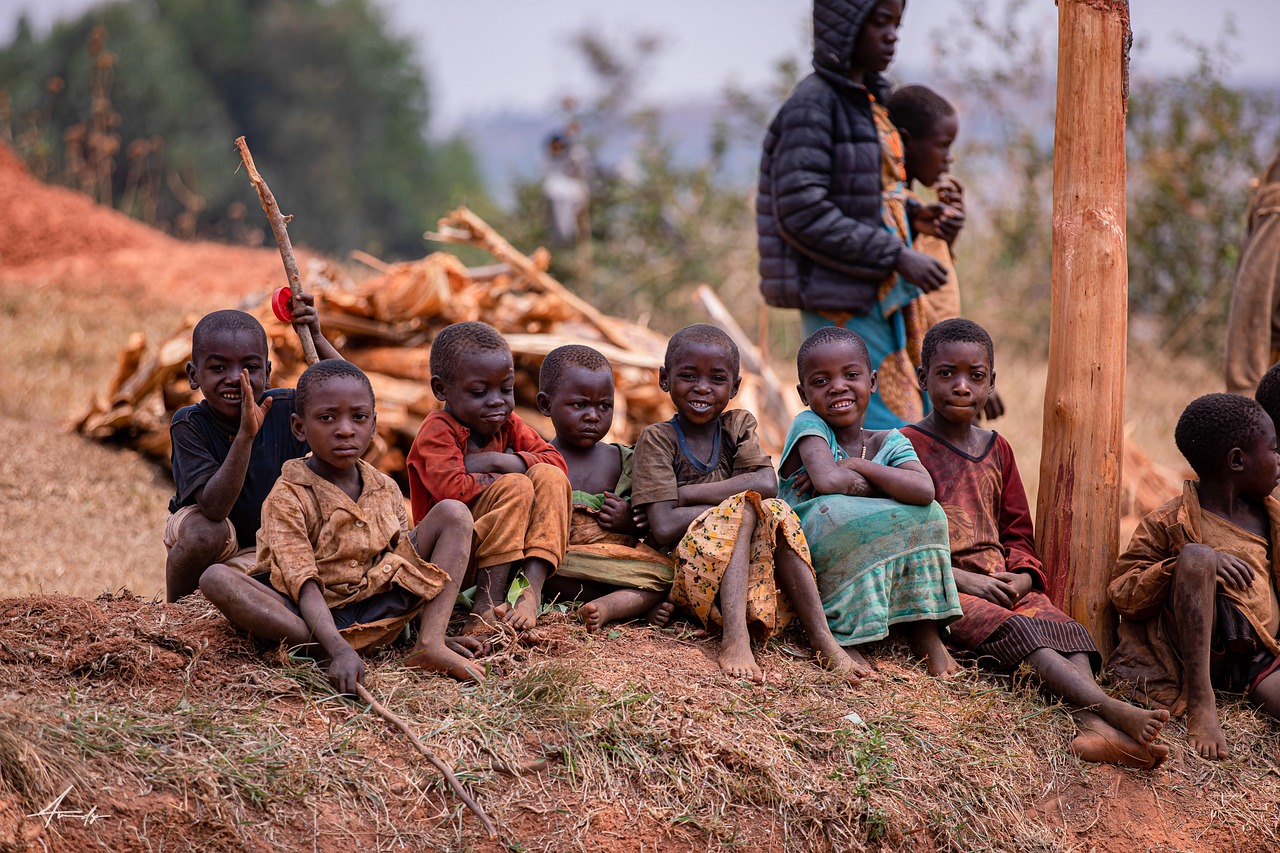
These demographic facts about Burundi give additional insight into the life and ways of the Burundians as enlisted below.
Population: Burundi is one of Central Africa’s most densely populated countries with approximately 12 million people currently inhabited in the country and a population density of approximately 415 people per square kilometer with an estimated population growth rate of 2.81% (2024 est.), Birth rate of 34.6 births/1,000 population (2024 est.), Death rate of 5.7 deaths/1,000 population (2024 est.), Net migration rate of -0.7 migrant(s)/1,000 population (2024 est.)
Population Pyramid: Burundi has a relatively young population, with a median age of 18.4 years as per the 2024 estimates and a population pyramid that is narrow at the base and wide at the top.
Fertility Rate: The total fertility rate (TFR) in Burundi is 5.5 children per woman, which is one of the highest in the world as it doubles the international fertility rate.
Marriage: The legal marriage age in Burundi is 18 for both men and women, but early child marriage is common, especially in rural areas with women married by age 15 taking up around 2.8%, women married by age 18 being around 19% and men married by age 18 taking only 1.4% (2017 est.).
Urbanization: The rate of urbanization is growing rapidly with an annual rate of 5.43%. as per 2020-2025 estimates with the urban population being around 14.8% per 2023 estimates and the rest being settled in the rural areas.
Labor Force: The labor force in Burundi estimated to be around 5.722 million (2023 est.) is primarily engaged in subsistence agriculture, fishing along Lake Tanganyika forexample, brewing banana beer with a small formal sector with an unemployment rate of around 0.93% (2023 est.) this low rate of unemployment has contributed to the economic recovery of the country.
These demographic facts provide additional insights into the characteristics of Burundi’s population, urbanization trends, ethnic composition, and labor force participation.
Military Facts About Burundi
Burundi Democratic Republic is a politically stable country and listed below are some of the military facts about Burundi:
Military And Security Operatives: Burundi is protected and defended by the National Defense Force of Burundi (Force de Defense Nationale du Burundi or FDNB), Burundi Land Forces (Force Terrestre), the Navy Force (Force Marine) based mainly on Lake Tanganyika, the Air Force (Force Aerienne) and Specialized Units (Unites Specialisees). Some other security forces run by the Ministry of Interior, Community Development, and Public Security are the Burundi National Police (Police Nationale du Burundi). It’s important to note that in 2022, Burundi created a new reserve force (Force de réserve et d’appui au développement, FRAD whose duty is to organize paramilitary trainings, support other components in protecting the integrity of the national territory among other duties.
Military Expenditure: Burundi’s military expenditure is higher than some other small African countries (e.g., Rwanda, Malawi) with approximately 2.3% of GDP (2022 est.) used to run military operations.
Troops: Burundi has approximately 25,000-40,000 active troops majority of which are ground forces and approximately 10,000-20,000 reserve troops.
Equipment: The Burundi military forces have a variety of military equipment such as tanks, armored vehicles, artillery, military aircrafts, some older weapons attained from the French, Russians, China and US.
Military Service: Burundians are allowed to join the army right from the ripe age of 18 years for voluntary military service for men and women.
Military Branches: Burundi has three military branches that is the Army (Force Terrestre), Navy (Force Navale) and Air Force (Force Aerienne).
Military Bases: Burundi has three military bases found in Bujumbura (former capital city), Gitega (capital city), Ngozi (northern city).
Foreign Military Relations: Burundi is a member of the African Union and the United Nations and therefore has engaged in several regional peacekeeping missions (e.g., ATMIS, AMISOM in Somalia, deployment in Democratic Republic of the Congo (DRC) in 2022 as part of an East African regional force etc. The troops have also done military training from countries like Belgium, France, and China and also received some military foreign aid from these countries.
Military History: Some of the military histories of Burundi involve the pre-colonial period when the country was a kingdom, to the German colonial rule (1890-1916), Belgian colonial rule (1916-1962), the gaining of independence from Belgium, failed military coups such as the one held by Michel Micombero, who was the first Hutu head of state in Burundi and came to power in 1966 through a military coup that overthrew the government of King Mwambutsa IV, who was a Tutsi., the civil war (1993-2005) rising from ethnic conflicts, Peacekeeping missions (2000s-present), etc.
Tourism Facts About Burundi
Tourism in Burundi has over the years improved basing on some of the notable Burundi tourism facts. Burundi boosts of having several scenic tourist attractions ranging from natural parks, reserves, lakes and rivers, to mention but a few. These listed below are some of the well-known tourism facts about Burundi.
Tourism Numbers: According to various sources, the estimated number of tourists visiting Burundi per year is relatively increasing due to the political stability, infrastructure development, and sustainable tourism development.
Natural Beauty: Burundi is home to stunning natural beauty comprising of flora and fauna, mountains, forests, rivers, and lakes. These are a reckoning sight to see with on a Burundi trip in Africa.
Natural Parks and Reserves: Burundi has several national parks and reserves such as the famous Kibira national park, Rusizi national Park, Bururi forest reserve, Kigwena forest reserve etc. which are home to a vast array of wildlife, including chimpanzees, monkeys, and birds.
Lakes and Rivers: Burundi has various lakes and rivers such as the beautiful Lake Tanganyika, the second-deepest lake in the world, lake Ruvubu, River Rusizi etc. These serve as major tourist attractions and people come from across the world to see them.
Cities: Burundi has some of the most beautiful and largest two capital cities in Africa such as the current capital city of Burundi Gitega as declared in 2018 by the Burundian government and Bujumbura the largest city found near Lake Tanganyika all known for their colonial architecture, hotels, attractions, exquisite places and vibrant markets.
Traditional Crafts: The Republic of Burundi is known for its vibrant crafts, including woodcarvings, basketry, and pottery. If travelling here, it is greatly recommended to carry some money and buy some of these beautiful crafts.
Friendly People: Burundians are renowned for their warm hospitality and welcomes to visitors.
The Republic of Burundi is blessed with natural beauty and cultural richness, Burundi’s tourism industry is flourishing well and tourists are safe to enjoy their stays in the heart of Africa. Book your next Burundi tour with us.
FAQ’S [Frequently asked Questions]
What are 5 interesting facts about Burundi?
- Burundi has two capital cities.
- The government banned jogging in Burundi.
- Burundi is home to the world’s longest freshwater lake.
- Burundi is home to a notorious man-eating crocodile.
- Banana beer is big in Burundi.
What is Burundi well known for?
Burundi’s most notable asset is its abundance of national parks and reserves
What makes Burundi special?
The landlocked country, a historic kingdom, is one of the few countries in Africa whose borders were not determined by colonial rulers
How old is Burundi?
Established in the 1600s, the Burundi Kingdom has had borders similar to those of modern Burundi since the 1800s.
Is Burundi the poorest in Africa?
Burundi is one of the poorest countries worldwide
Explore the heart of Africa and experience firsthand its beauty. Book your next Burundi Trip with us!

