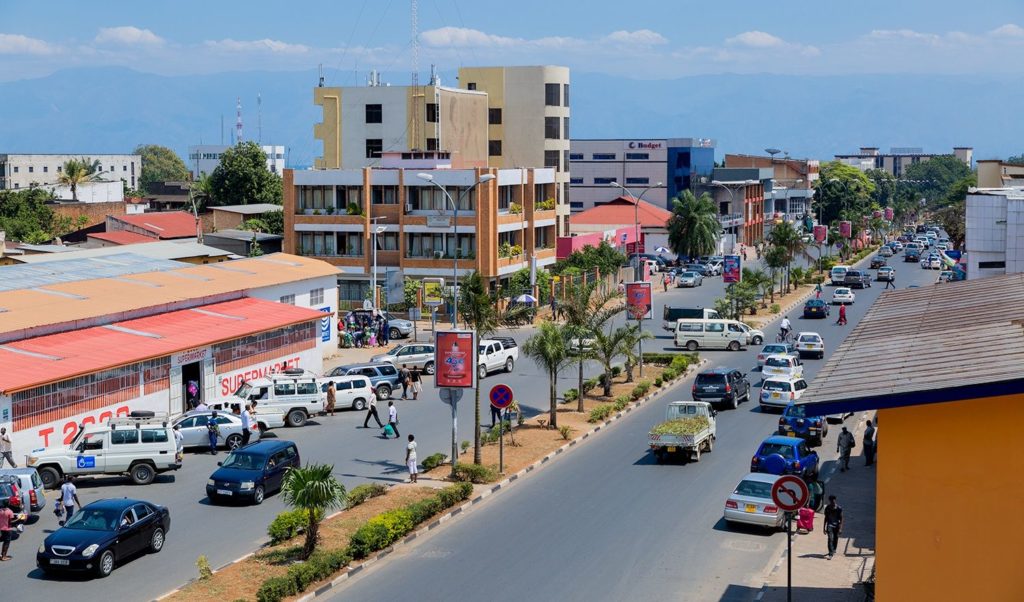
This is a detailed overview of the Burundi climate!
Short Dry Season
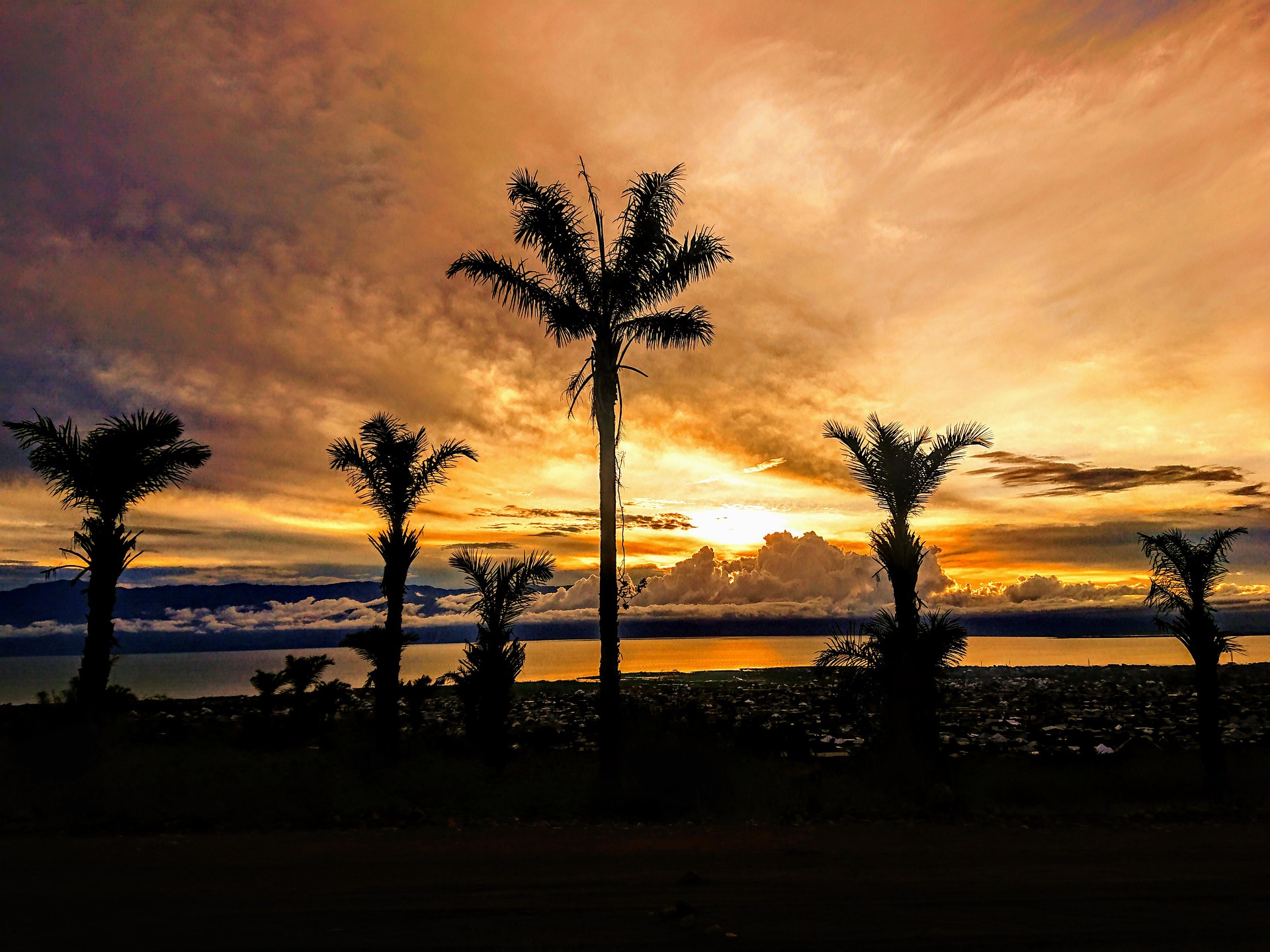
The country experiences two dry periods, with the short dry season from December to February offering pleasant temperatures (20-25°C), minimal rainfall, and increased sunshine, making them ideal times to explore Burundi.
This is a detailed overview of the months in the short dry season.
1) Burundi Climate in December
December marks the beginning of the country’s short dry season, with decreasing rainfall and stable temperatures (20-23°C).
Rainfall averages between 110 and 140 mm, with warmer weather conditions in lower-altitude areas like Bujumbura (23-26°C).
As the month progresses, dry conditions become more evident, with rainfall levels dropping significantly.
It’s an ideal time for outdoor activities like hiking and exploring the country’s natural beauty, with minimal rainfall and moderate temperatures.
Don’t miss the fun; usher in the new year while in Burundi having the time of your life!
2) January Weather in Burundi
January is a great time to visit Burundi, with moderate temperatures (20-25°C) and minimal rainfall.
It’s an ideal time for outdoor activities like hiking, birdwatching, and exploring the country’s natural beauty.
Visit Kibira National Park for stunning views and wildlife spotting. January marks the middle of the short dry season, with clear skies and less rainfall.
Temperatures are cooler, especially in higher altitude regions, making it a suitable time for exploration.
Overall, January is a great time to explore Burundi’s outdoors.
3) Burundi Climate in February
February marks the end of the short dry season and the beginning of Burundi’s long wet season, with increased precipitation and mild temperatures (20-25°C).
Average rainfall ranges from 100 to 150 mm, with warmer temperatures (23 to 26°C) in low-lying regions like Bujumbura.
Despite the rain, the country’s scenic beauty is enhanced, making it a good time to explore, with lush green landscapes and fewer travelers.
Explore Rusizi National Park or Kibira NP for their unique ecosystems and scenic views.
Ultimately, February is a warm and rainy month in the nation, making it essential to pack with rainy conditions in mind.
Long Rainy Season
Burundi’s long wet season, generally speaking, occurs from mid-February to May, with high rainfall (over 100 mm/month), temperatures ranging from 17°C to 20°C, and high humidity.
This period, often equated to European spring weather, brings lush greenery and vibrant landscapes, ideal for some wildlife spotting and outdoor tourist activities.
This is a breakdown of the months in the long wet season.
1) March Weather in Burundi
March in Burundi is warm and rainy, with average highs of 73°F and lows of 56°F. Rainfall increases, with an average of 170 mm (6.69″), making it one of the wettest months.
Temperatures range from 20 to 25°C, with a high humid climate and constant cloud cover.
While not ideal for outdoor activities, March is a great time to experience local culture and traditions, such as traditional drumming performances or visiting the Livingstone Stanley Monument.
Visit Burundi today and see these amazing tourist attractions firsthand!
2) Burundi Climate in April
April is the peak of Burundi’s long wet season, with high rainfall levels (190-220 mm) and stable temperatures (20-23°C).
The rain contributes to lush landscapes, especially in natural parks and reserves. Despite the rain, temperatures remain mild, with warmer conditions in lower-altitude areas like Bujumbura (23-26°C).
April is not ideal for outdoor activities, but it’s a great time to experience the country’s culture and traditions or visit the Lake Tanganyika shoreline.
Book your Burundi safari today and visit the sandy beaches of Lake Tanganyika!
3) May Weather in Burundi
May in Burundi brings cooler temperatures, ranging from 15.5°C to 23.6°C (59.9°F to 74.5°F), and marks the end of the wet season.
Rainfall decreases significantly, from 170-200 mm at the start of the month to an average of 103 mm (4.06″) by the end.
This transition makes May a great time for outdoor activities like hiking and exploring the nation’s natural beauty, including the Ruvubu National Park.
Visit Burundi this month and enjoy the adventure-filled activities permitted for memorable safari experiences!
Long Dry Season
The long dry seasons, from June to August, often equated to the European summer climate, are a good time to visit Burundi, as they bring reduced rainfall, stable temperatures (around 20°C), and increased sunshine.
This period is ideal for outdoor activities and exploring the country’s landscapes, making it a great time to explore.
This is an overview of the long dry season months.
1) Burundi Weather in June
June marks the start of the nation’s long dry seasons, with minimal rainfall (20-50 mm) and temperatures at moderate (20-25°C).
It’s an ideal time for outdoor activities like hiking and exploring the country’s natural beauty. Visit the Kibira National Park for stunning views and wildlife spotting.
Temperatures remain relatively stable, with warmer conditions in lower-altitude areas like Bujumbura. June is one of the driest months, making it a great time to visit Burundi.
Visit Burundi this month for memorable safari tours!
2) July Weather in Burundi
July is dry and sunny, with average temperatures ranging from 20 to 25°C. Rainfall is scarce, with an average of 6 mm (0.24″).
It’s an ideal time for outdoor safari activities like hiking, birdwatching, game viewing, boat cruises, Independence Day celebrations (July 1st), and exploring the nation’s stunning natural beauty.
Visit the Rusizi National Park for its unique ecosystem and scenic views. July is one of the driest months, making it a great time to visit Burundi, with warm temperatures and clear skies.
Contact a reputable tour operator today and book your next vacation to this beautiful country now!
3) Burundi Climate in August
August marks the transition from the long dry seasons to the rainy seasons. Temperatures range from 14°C to 28°C (57.2°F to 82.4°F), with rainfall increasing slightly, averaging 23 mm (0.91″).
The month starts dry, similar to July, but precipitation levels gradually increase, signaling the approach of the short wet season.
It’s a good time to go to Burundi tourist places in Burundi, like the Lake Tanganyika shoreline, and enjoy water sports before the heavy rains start, with warm temperatures and mostly sunny conditions.
Don’t miss out on the fun; book your safari this month for unforgettable experiences!
Short Rainy Season

The nation’s short wet season, often related to the European autumn climate, occurs from September to November, with increased rainfall (100-200 mm/month), stable temperatures (17-25°C), and higher humidity.
This period rejuvenates the country’s landscapes and vegetation, adding to its scenic beauty.
This is a detailed overview of the months in this season.
1) September Weather in Burundi
September marks the beginning of Burundi’s short wet season, with a significant increase in rainfall (100-130 mm) compared to August.
Temperatures range from 15°C to 29°C (59°F to 84.2°F). The increased rainfall brings cooler conditions, especially in higher-altitude areas.
Bujumbura experiences warmer conditions, with temperatures between 23°C and 26°C (73.4°F and 78.8°F). September’s climate sets the stage for the wettest months, October and November.
With fewer crowds, it is a good period to visit national parks like Ruvubu National Park, etc.
Visiting Burundi this month will give you a chance to partake in indoor tourist activities, among other things!
2) Burundi Weather in October
October is characterized by heavy rainfall, with averages between 140 and 170 mm, and warm temperatures ranging from 16°C to 28°C (60.8°F to 82.4°F).
It’s one of the wettest months, contributing to the country’s lush vegetation. Temperatures fluctuate between 20 and 23°C, with cooler conditions in higher-altitude areas and warmer conditions in Bujumbura.
October marks the peak of the short wet season, with high rainfall and humidity levels persisting throughout the month.
This month is a good time to partake in cultural experiences and tours, i.e., visit the Livingstone Stanley monument, visit the Gishora drum sanctuary that showcases traditional drumming performance, visit local people for a memorable cultural journey, etc.
This October weather supports several indoor activities worth enjoying when on safari holidays in Burundi!
3) November Weather in Burundi
November is the wettest month, with heavy rainfall (180-210 mm) and warm temperatures (16-27°C).
The high precipitation contributes to the country’s lush vegetation. Temperatures range from 20 to 23°C, with cooler conditions in higher-altitude areas and warmer conditions in Bujumbura.
November marks the peak of the short wet season, with high humidity and reduced sunlight. Rainfall begins to decrease towards the end of the month, signaling the transition to the short dry season.
Visiting in November will give you a perfect opportunity to explore the indoor activities the nation holds, so book your safari with ease!
It is important to note that besides the optimal time to tour, you need to understand these additional concepts to aid you on your travel to Burundi!
Burundi Travel Guide
Other travel tips to consider before traveling for safaris besides Burundi’s climate are.
1) Safety and Security Situation
The country’s tourist spots are safe to visit throughout the year, but you should hire a reputable tour operator to give you updated information about the current security situation and also exercise caution and care with your belongings when on safari tours.
Additionally, read more Burundi articles for more information and safety advice about the country and consider hotels with hotel safes that are guarded well.
The nation also experiences natural disasters, including flash floods and mudslides from February to mid-May, and occasional earthquakes, so be careful when on trips.
2) Health
The country requires a yellow fever vaccination certificate. Take precautions against malaria, HIV/AIDS, Mpox, cholera, and other diseases.
Use insect repellent, drink boiled/bottled water, and maintain hygiene standards. Health facilities are limited, so ensure your insurance covers evacuation if needed.
3) Travel Restrictions and Important Documents
To enter Burundi, you’ll need a valid visa and passport. Visas can be obtained before travel or on arrival from local authorities. Register online before traveling and check local security and road conditions.
Carry local currency (Burundian francs), widely accepted Visa cards for bigger purchases, travel insurance that includes emergency services, and valid documents, and exercise caution due to crime and road safety concerns.
4) Road Conditions
The country has poor infrastructure, with its road network underdeveloped and often in poor condition, with many unpaved, narrow, and winding roads.
Travel is slow and challenging, especially during the wet season when roads can become impassable due to flooding and mud, and there are unofficial roadblocks, so consider hiring a private vehicle, 4×4 safari vehicle, or driver for transportation.
5) Public Transportation
Public transportation in the country is limited and unreliable. Minibuses (known as “taxis”) and motorcycles (known as “moto-taxis”) operate on fixed routes, but schedules and fares are unpredictable.
Vehicles are often overcrowded, requiring flexibility and caution when using them. Therefore, it’s best to hire a safari company that can cater to transport and logistics.
6) Local Laws (Illegal Drugs and Others)
In Burundi, penalties for drug offenses are severe. Photography of sensitive buildings, airports, and military sites is prohibited by local authorities.
Same-sex relationships are illegal per local customs, and public displays of affection in large gatherings or overcrowded areas should be avoided to prevent imprisonment and fines.
7) Outdoor Activities
To enjoy outdoor activities in the nation, it is best to visit the country during the dry season (June-August) or the short dry season (December-February).
Avoid peak rainy seasons (March-May, September-November). Research, plan, and pack accordingly for a smooth and enjoyable trip.
Additionally, please consider hotels and safari lodges with hotel safes to keep your belongings and offer avenues to partake in outdoor activities, etc.
8) Fuel Shortages in Burundi
If hiring a car for travel purposes, ensure you fill up the tank, as the country may experience fuel shortages at abrupt times.
Therefore, besides the best time to travel, it is essential to consider these aspects above for hassle-free trips in Burundi!
Best Time to Visit Burundi FAQs (Frequently Asked Questions)
Is Burundi Good for Tourists? | Can Americans Visit Burundi?
This beautiful and small country is good for international tourism and travelers from all walks of life, including Americans looking to safely explore the country’s unique cultural and natural attractions, such as Lake Tanganyika (one of the largest and deepest lakes in the world) and Kibira National Park.
When Should I Go to Burundi?
The best time to go to this nation is during the dry season, from June to August and December to February, when the weather is generally dry but pleasant and comfortable.
What Is the Hottest Month in Burundi?
The hottest month in Burundi is July in the long dry season.
Is Burundi cheap to travel to?
The nation offers an affordable travel experience with budget-friendly options for accommodation, food, and activities, making it an ideal destination for travelers looking for value.
Consider the best time to visit Burundi and book your African safari to discover the hidden gem of Africa blessed with a unique blend of vibrant culture and stunning natural beauty, and explore the great natural landscapes, immerse yourself in local traditions, and experience the warmth of African hospitality. Plan your top trip today!